
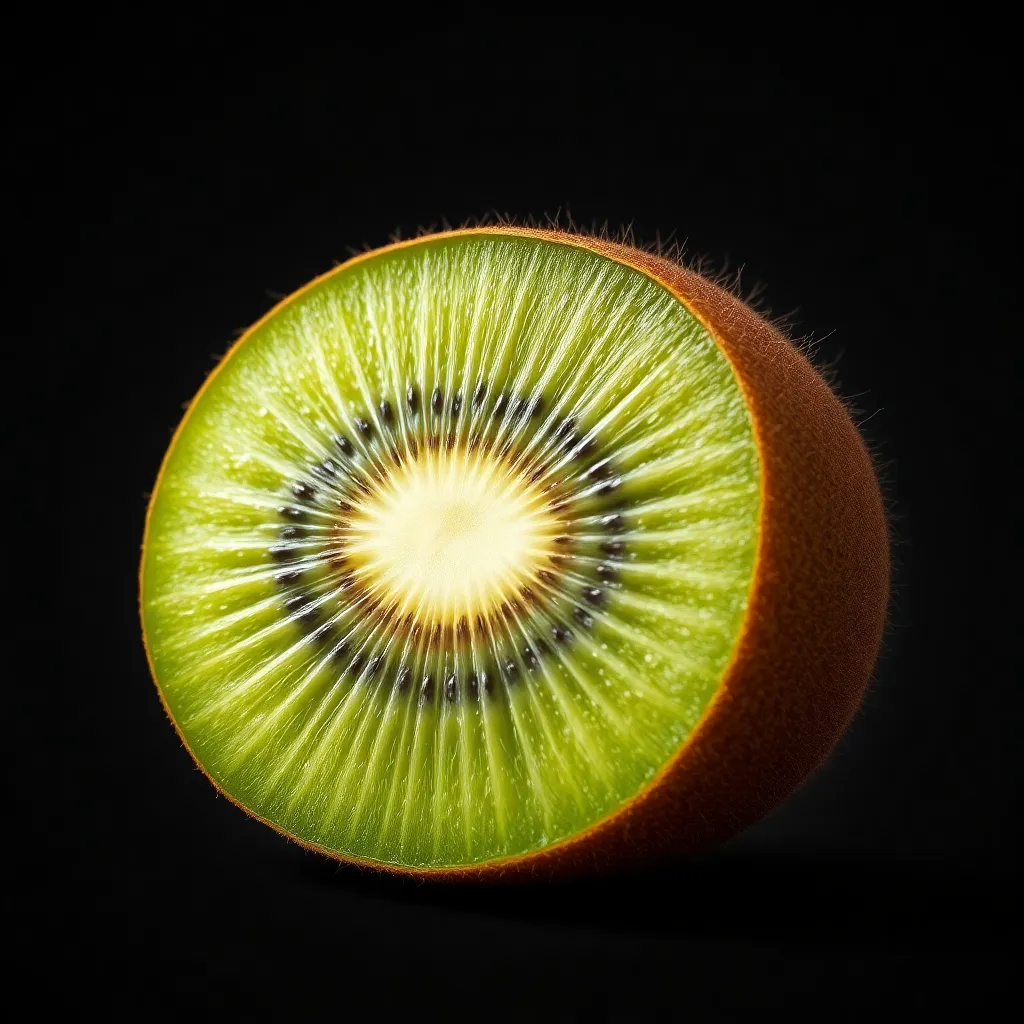
Kiwi: A Nutrient Powerhouse for Health, Skin Included
Nutrition experts widely regard kiwi fruit as a nutrient-dense functional food, celebrated for its extensive health benefits. Originating in China and popularized by New Zealand, this vibrant fruit offers a rich profile of essential vitamins, minerals, and unique enzymes, making it a valuable dietary addition.
Kiwi’s standout feature is its exceptionally high Vitamin C content, often exceeding oranges, providing robust immune support and potent antioxidant protection. It’s also an excellent source of dietary fiber, vital for digestive health and regularity. Kiwis contribute significant Vitamin K for blood clotting and bone health, and potassium to regulate blood pressure. Beneficial antioxidants like lutein and zeaxanthin support eye health, while the enzyme actinidin aids protein digestion. Research suggests kiwi may improve sleep quality due to its serotonin, and it offers general cardiovascular benefits.
A key point emphasized by experts is the nutritional value of the kiwi’s edible skin. Despite its fuzzy texture, the skin contains higher concentrations of fiber and antioxidants than the flesh. Consuming the whole fruit, thoroughly washed and ideally organic, amplifies its health advantages. While generally safe, some individuals might experience mild allergic reactions (e.g., oral allergy syndrome) or digestive sensitivity from its high fiber and actinidin, particularly in large amounts. Vitamin K content typically poses minor interaction risks with blood thinners at normal consumption levels.
In summary, kiwi fruit excels in its comprehensive nutritional impact. From boosting immunity and aiding digestion to supporting heart and eye health, this small fruit delivers significant health advantages. Experts advocate for its regular inclusion in diets, highlighting that consuming the entire fruit, including its nutrient-rich skin, maximizes its full spectrum of benefits.
(Source: https://www.naturalnews.com/2026-04-19-experts-highlight-kiwi-fruit-benefits-skin-consumption.html)