UK Children to Receive Routine Chickenpox Vaccination
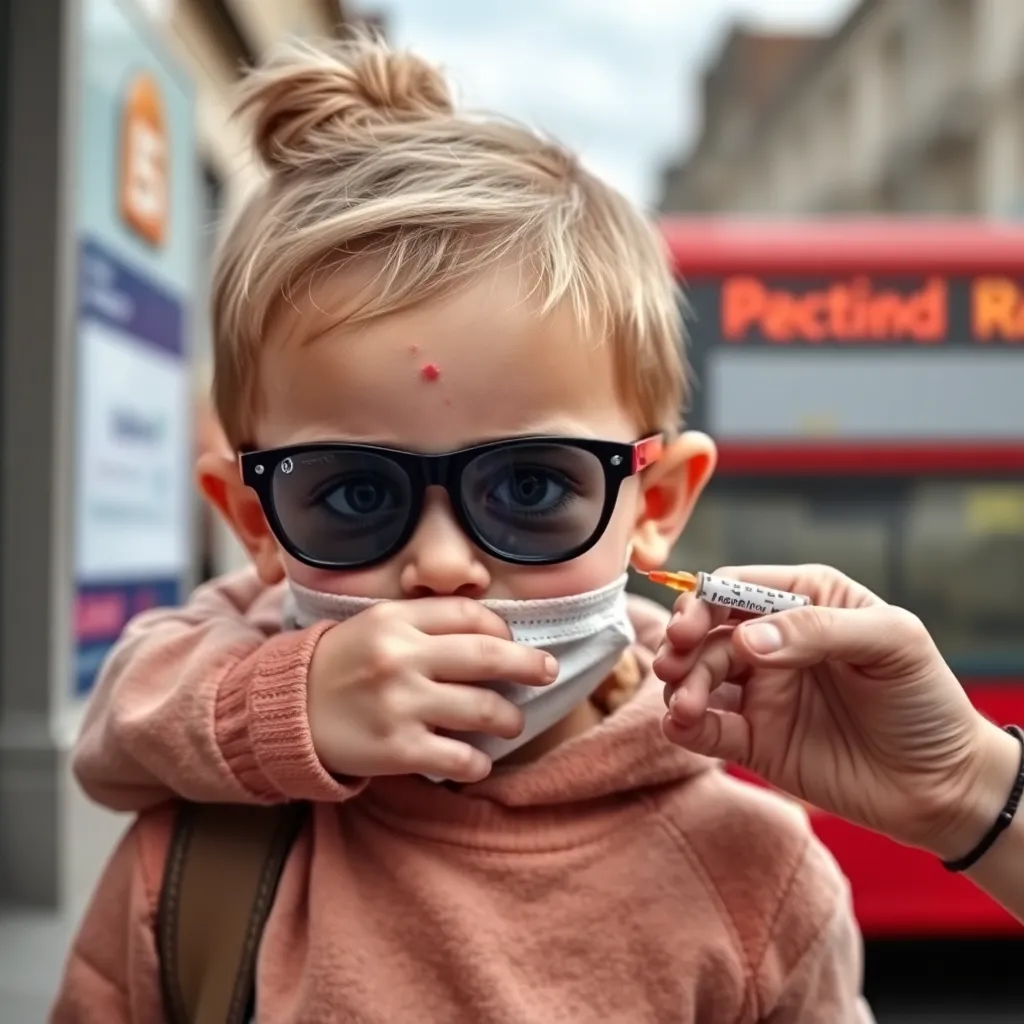
The NHS is significantly expanding its routine childhood vaccination program to include protection against chickenpox, scientifically known as varicella. This marks a pivotal moment for public health, as hundreds of thousands of young children across England will now be offered this crucial safeguard. Commencing today, GP practices are set to integrate the chickenpox vaccine into their regular immunisation schedules, making it accessible to families nationwide. This strategic addition aims to bolster the health and safety of the youngest members of the population, providing a proactive defence against a common yet potentially severe childhood disease.
Chickenpox, while often perceived as a mild rite of passage for children, can lead to serious health complications, particularly in vulnerable groups. The NHS’s initiative directly addresses this by offering the varicella vaccine, designed to shield young children from experiencing the more severe manifestations of the illness. The primary benefit of this new vaccination is the prevention of serious illness, which can include secondary bacterial infections, pneumonia, encephalitis, and in rare cases, even death. By integrating the vaccine, the program seeks to significantly reduce hospital admissions related to chickenpox and alleviate the burden on healthcare services. Furthermore, widespread vaccination contributes to herd immunity, protecting infants too young to be vaccinated and individuals with compromised immune systems for whom chickenpox can be particularly dangerous.
While the provided announcement focuses on the immense benefits of this preventative measure, like all vaccines, the chickenpox vaccine is generally safe and highly effective. Common side effects are typically mild and transient, such as soreness, redness, or a low-grade fever at the injection site. Serious adverse reactions are exceedingly rare, making the benefits of protection against a potentially severe disease far outweigh the minimal risks. The source text does not detail specific risks or provide particular examples of severe cases, but the overarching goal is clearly to prevent the “seriously ill” outcomes. This expansion represents a significant leap forward in paediatric preventative care, ensuring a healthier future for generations of children by adding another layer of defence against infectious diseases.