Mobile Field Hospitals: Agile Care in Crisis & Remote Zones
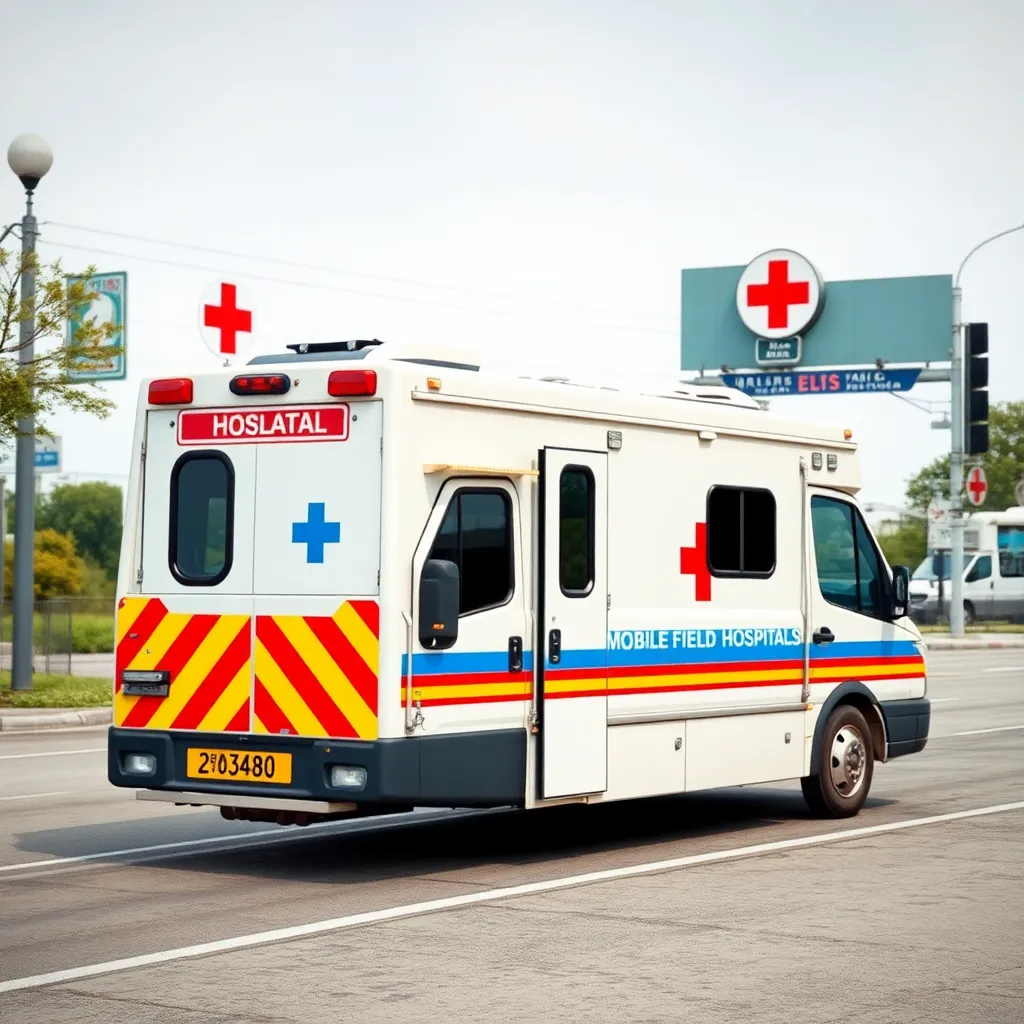
Mobile field hospitals (MFHs) represent a cornerstone of modern pandemic preparedness and disaster response, characterized primarily by their exceptional flexibility and rapid deployment capabilities. As highlighted, these attributes allow MFHs to swiftly extend crucial medical care to populations in challenging environments, particularly those that are underserved or geographically remote. Essentially, MFHs are self-contained, modular healthcare facilities designed to be rapidly transported and established wherever conventional medical infrastructure is insufficient, overwhelmed, or inaccessible. They are vital for providing immediate medical intervention, surge capacity during public health emergencies, and specialized treatment options.
The benefits of MFHs extend beyond mere geographical reach. They play a critical role in alleviating pressure on existing healthcare systems, providing essential services ranging from emergency trauma care to isolation units for infectious diseases. Their adaptability means they can be configured for various medical needs, from basic outpatient clinics to fully equipped operating theaters and intensive care units. This scalability is indispensable during large-scale health crises, enabling a rapid increase in bed capacity and specialized treatment areas without requiring permanent construction.
However, the deployment and operation of mobile field hospitals are not without risks and significant logistical challenges. These include the complex coordination required for transportation, setup, and continuous resupply of medical equipment, pharmaceuticals, and personnel, often in austere or hazardous conditions. Ensuring adequate staffing with appropriately trained medical and support personnel, maintaining stringent infection control measures, and managing waste effectively are constant concerns. Security for both patients and staff, especially in unstable regions, also poses a substantial risk. While the provided text did not detail specific instances, MFHs have been deployed globally during events like the COVID-19 pandemic to manage patient surges, and in numerous natural disaster zones to provide immediate relief and sustained medical support to affected communities.
(Source: https://medicalresearch.com/the-role-of-mobile-field-hospitals-in-pandemic-preparedness/)