Inclusive Play: Learning & Therapy for Special Needs Children
For children with special needs, play transcends mere recreation, serving as a fundamental form of learning and a vital therapeutic tool. This dual purpose means that every play interaction is an opportunity for developmental growth and the achievement of specific therapeutic objectives, fostering holistic progress rather than just entertainment.
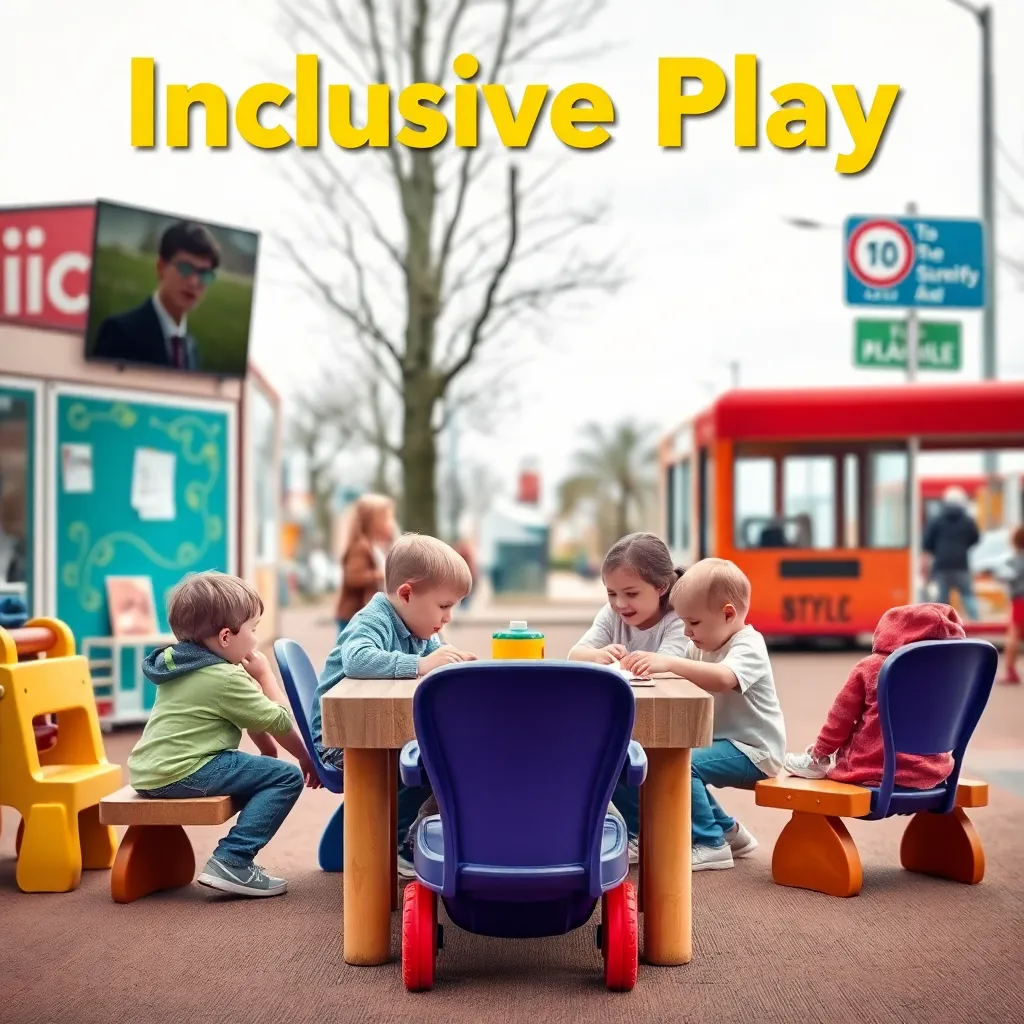
A thoughtfully designed and well-planned play space is crucial for maximizing these benefits. Such environments actively encourage the enhancement of physical skills like coordination and balance, offering safe yet stimulating challenges for motor development. Beyond the physical, these spaces are instrumental in nurturing communication abilities, providing natural settings for social interaction, expressive play, and language acquisition. Creativity flourishes as children are empowered to explore imaginative scenarios and develop problem-solving skills in a supportive context. Crucially, an inclusive play space is meticulously crafted to impart a profound sense of comfort and security, ensuring children feel safe, accepted, and confident to engage fully without fear or sensory overload. This secure foundation is indispensable for effective learning and successful therapeutic engagement.
While the provided text emphasizes the virtues of a “well-planned space,” it implicitly highlights the risks associated with poorly designed or non-inclusive environments. These risks include physical inaccessibility, which can exclude children with mobility challenges; sensory overload from excessive noise, bright lights, or complex visual stimuli, which can be highly distressing for those with sensory processing differences; and a lack of varied play opportunities that fail to cater to a spectrum of abilities, leading to disengagement or feelings of isolation. Without careful planning, a play area can inadvertently become a barrier to development rather than a catalyst.
To mitigate these risks and actualize the extensive benefits, inclusive play spaces often incorporate specific design elements. Examples include accessible ramps and pathways, sensory gardens featuring diverse textures, sounds, and scents, and quiet zones or “calm-down corners” for children needing a respite from stimulation. Specialized equipment, such as adaptive swings or merry-go-rounds, ensures participation for all. Varied ground surfaces and communication boards further exemplify how dedicated design fosters an environment where every child with special needs can learn, thrive, and experience the joy and developmental power of play.
(Source: https://medicalresearch.com/designing-inclusive-play-spaces-for-students-with-special-needs/)