
HMPV: Current Prevention & Future Vaccine Insights
Human Metapneumovirus (HMPV) is identified as a newly recognized and contagious respiratory virus, particularly active during the winter transmission season. While the provided text doesn’t offer a detailed clinical definition, its classification as a respiratory virus implies it primarily affects the lungs and airways. The ongoing efforts by vaccine scientists to develop an HMPV vaccine underscore its significance as a public health concern, highlighting the need for dedicated medical countermeasures against this prevalent pathogen.
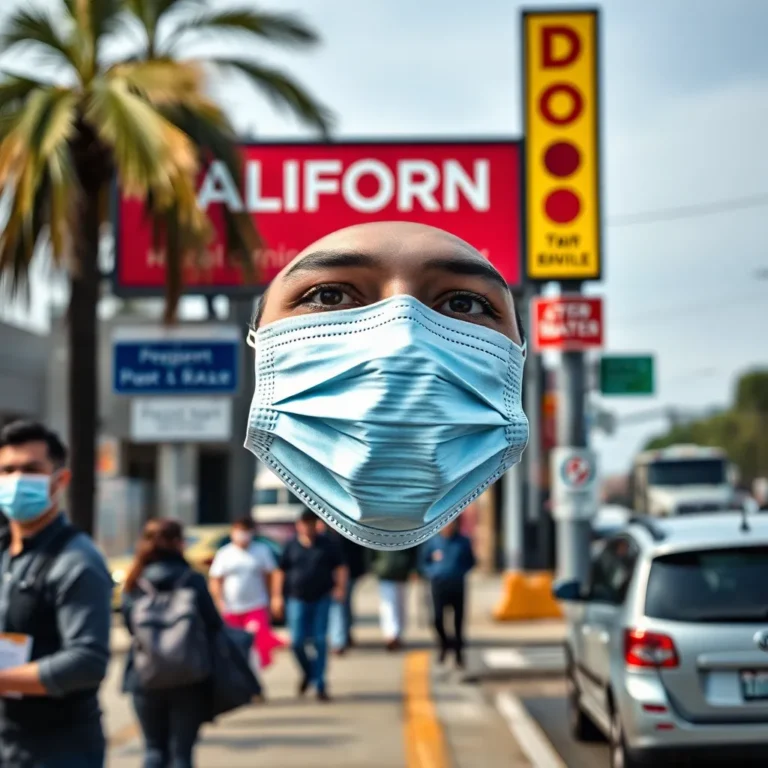
The discussion of immediate prevention strategies directly points to the inherent risks associated with HMPV infection. Though specific symptoms or severity are not detailed, the emphasis on avoiding individuals who are coughing and sneezing, and the recommendation for face mask use in crowded indoor settings, strongly indicates its contagious nature and potential to cause respiratory illness. These measures are crucial to mitigate the virus’s spread and reduce the likelihood of individuals contracting an infection that could lead to respiratory distress, particularly among vulnerable populations.
In the absence of a currently available HMPV vaccine, the immediate ‘benefits’ stem from the effective implementation of these suggested public health precautions. Adopting practices like maintaining distance from symptomatic individuals and wearing face masks offers the benefit of reducing personal exposure and community transmission. This proactive approach helps curb the virus’s spread and potentially alleviates strain on healthcare systems. The ongoing research into vaccine development promises substantial future benefits, aiming to provide a long-term solution that could significantly reduce HMPV incidence, severity, and associated morbidity and mortality, ultimately enhancing public health security.
No specific examples of HMPV cases, outbreaks, or detailed research findings were mentioned within the provided source text. The focus remained squarely on the current status of vaccine availability and practical, immediate prevention methods. The overarching message emphasizes vigilance and personal responsibility in mitigating the spread of HMPV through established respiratory hygiene practices until a dedicated vaccine becomes accessible.