
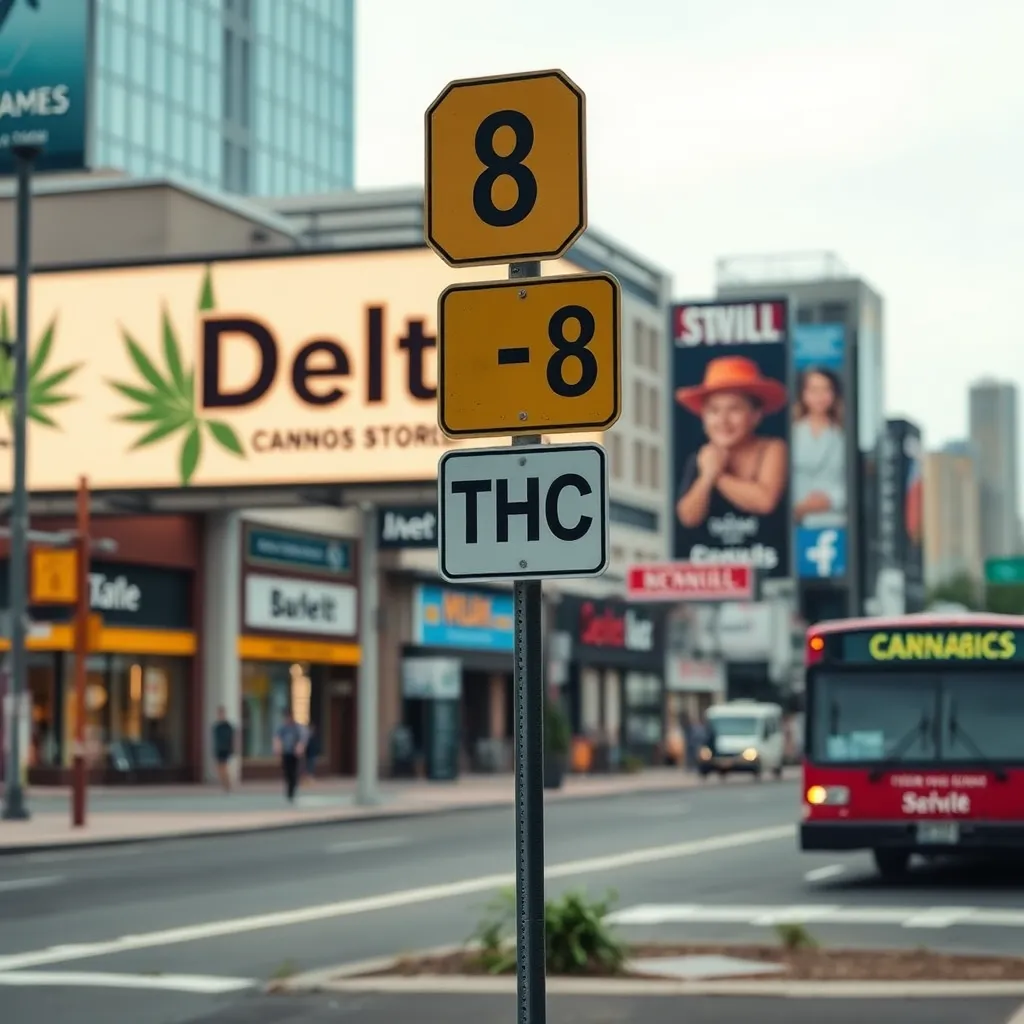
Delta-8 THC: Unpacking the 2018 Farm Bill’s Legal Loophole
Delta-8 THC is characterized as one of several intoxicating cannabinoids that are not delta-9 THC, yet have experienced a significant surge in availability and market presence. This widespread proliferation can be directly linked to a specific legislative ‘loophole’ that emerged from the enactment of the 2018 Farm Bill in the United States. This pivotal federal legislation fundamentally altered the legal landscape for cannabis, drawing a clear distinction between federally legal hemp and federally illegal marijuana.
Under the provisions of the 2018 Farm Bill, hemp is precisely defined as cannabis plants containing 0.3% or less of delta-9 THC on a dry weight basis. This federal legalization of hemp inadvertently created the pathway for delta-8 THC products to enter the market. Since delta-8 THC can be chemically derived from federally legal hemp, it falls outside the federal definition of illegal marijuana, which is characterized by a delta-9 THC content exceeding 0.3%. This distinction has allowed for the commercialization and distribution of delta-8 THC products, capitalizing on the federal legality of their source material despite their intoxicating properties. The consequence is a burgeoning market for these hemp-derived intoxicating compounds that operate in a gray area of federal law, separate from the more stringent regulations governing traditional marijuana products.
The source text specifically highlights that delta-8 THC’s rise is a direct outcome of this federal legal framework, which differentiated cannabis based on its delta-9 THC concentration, rather than on the intoxicating potential of other cannabinoids. It underscores how this legal nuance has permitted the widespread commercialization of delta-8 THC. However, it is important to note that the provided text is exclusively focused on defining delta-8 THC within this legal and regulatory context. It does not offer any details regarding the potential benefits that consumers might seek from delta-8 THC. Similarly, the text contains no information about potential risks, adverse effects, or safety concerns associated with its consumption. Furthermore, despite the broader article’s title, this specific excerpt does not provide any examples of product packaging, labeling issues, or marketing strategies related to delta-8 THC products. Therefore, a comprehensive discussion on these aspects is not possible based solely on the given source material.
(Source: https://medicalresearch.com/delta-8-thc-product-packaging-often-incomplete-confusing-or-misleading/)