Cannabis Cold Chain: Protecting Potency and Purity in Transit
The burgeoning cannabis industry is increasingly adopting stringent pharmaceutical-grade cold chain protocols to safeguard the therapeutic integrity of its products from cultivation to the patient’s door. This proactive measure addresses a critical challenge: the detrimental impact of heat during transit, which can significantly compromise the quality and efficacy of cannabinoid-based medicines. The primary concern revolves around the instability of key cannabis compounds when exposed to elevated temperatures.
Specifically, non-psychoactive Tetrahydrocannabinolic Acid (THCA), a precursor to the psychoactive compound Delta-9-Tetrahydrocannabinol (THC), is highly susceptible to heat-induced decarboxylation. Within mere hours of exposure to inappropriate temperatures during transportation, THCA can transform into THC. This conversion poses a significant risk, as it alters the intended therapeutic profile of the product, potentially introducing unwanted psychoactive effects for patients seeking non-intoxicating treatments. Such an alteration not only impacts patient experience but also raises questions about product consistency and regulatory compliance, particularly for medical cannabis where precise dosing and predictable effects are paramount.
Furthermore, heat exposure during transit also leads to the rapid degradation of terpenes, the aromatic compounds responsible for cannabis’s distinct flavors, aromas, and often synergistic therapeutic effects (the “entourage effect”). Terpenes are volatile and delicate, and their degradation diminishes the overall therapeutic potential and organoleptic quality of the product. This loss can significantly reduce the efficacy of the medicine and detract from the patient’s overall satisfaction and adherence to treatment.
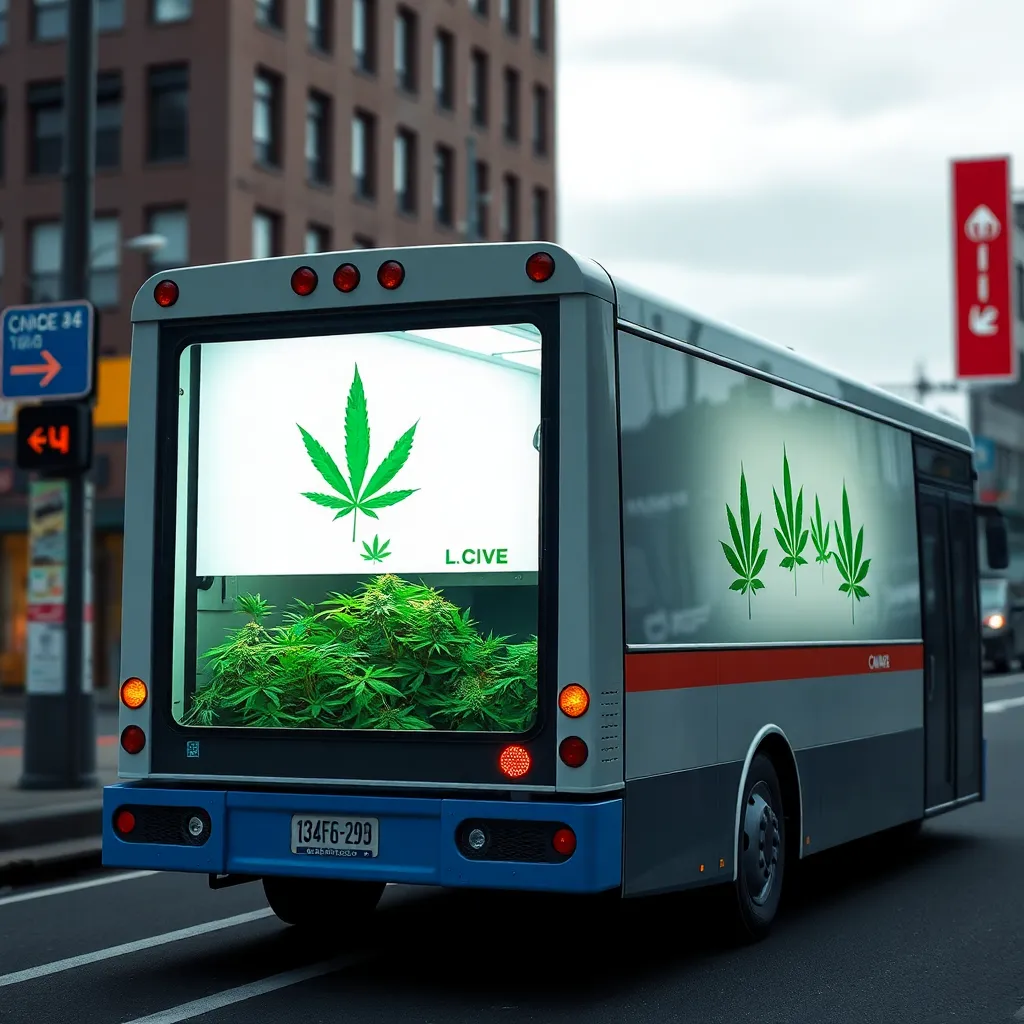
To mitigate these substantial risks, the industry is implementing sophisticated cold chain logistics. These protocols involve maintaining a controlled temperature environment throughout the entire supply chain, from storage facilities and distribution centers to the final delivery. This commitment to pharmaceutical-grade standards ensures that cannabinoids like THCA remain stable and terpenes preserve their integrity, thereby guaranteeing that patients receive products that accurately reflect their labeled composition and intended therapeutic benefits. By prioritizing robust cold chain management, the cannabis sector aims to enhance patient safety, maintain product quality, and build trust in the burgeoning market for cannabinoid-based therapies.