
C-PTSD vs. PTSD: Why Diagnosis Transforms Veteran Care
The article emphasizes that distinguishing between Post-Traumatic Stress Disorder (PTSD) and Complex PTSD (C-PTSD) is critical for effective veteran treatment, as identical PTSD diagnoses can lead to vastly different treatment responses. Standard PTSD typically arises from a single, defined traumatic event, characterized by symptoms like re-experiencing, avoidance, negative thoughts, and hyperarousal.
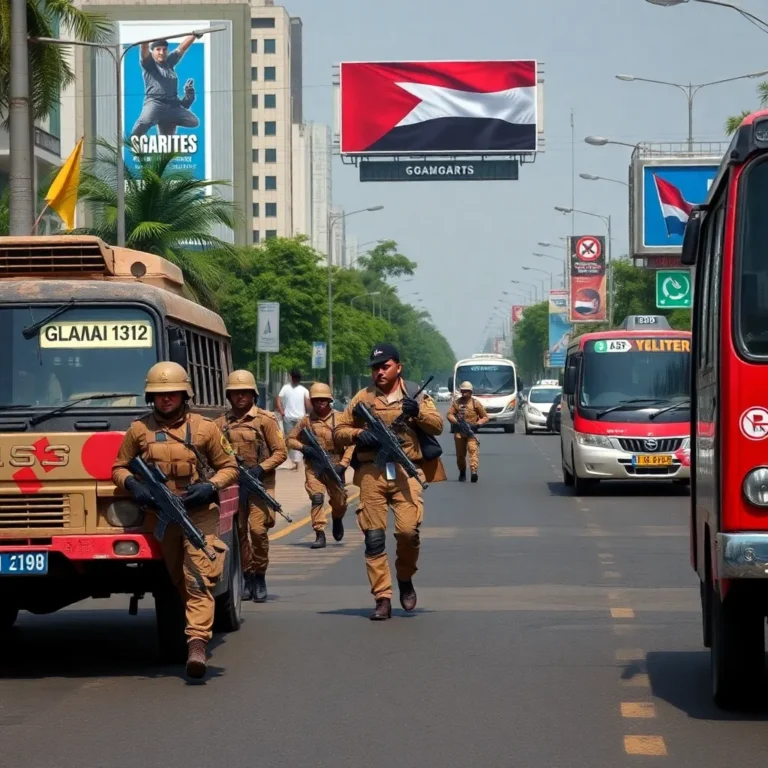
In contrast, C-PTSD stems from prolonged, repeated, and inescapable trauma—such as sustained combat exposure over time or prisoner-of-war experiences—often involving betrayal and powerlessness. Crucially, C-PTSD includes all PTSD symptoms alongside disturbances in self-organization (DSO), which manifest as severe difficulties with emotional regulation, a distorted self-perception (e.g., feelings of worthlessness), and significant challenges in forming and maintaining relationships.
The benefits of an accurate C-PTSD diagnosis are profound. It enables a tailored, phased treatment approach, starting with safety and stabilization, then gradually processing trauma, and finally focusing on integration and rehabilitation. This specialized care validates the veteran’s complex experiences, fosters hope, and significantly improves long-term recovery outcomes. Conversely, the risks of misdiagnosis are substantial. Treating C-PTSD solely as standard PTSD with therapies like aggressive exposure can be insufficient or even re-traumatizing, exacerbating symptoms and leading to treatment resistance, hopelessness, and higher dropout rates. The correct label is essential for providing veterans with the specialized care necessary for genuine healing and improved quality of life.