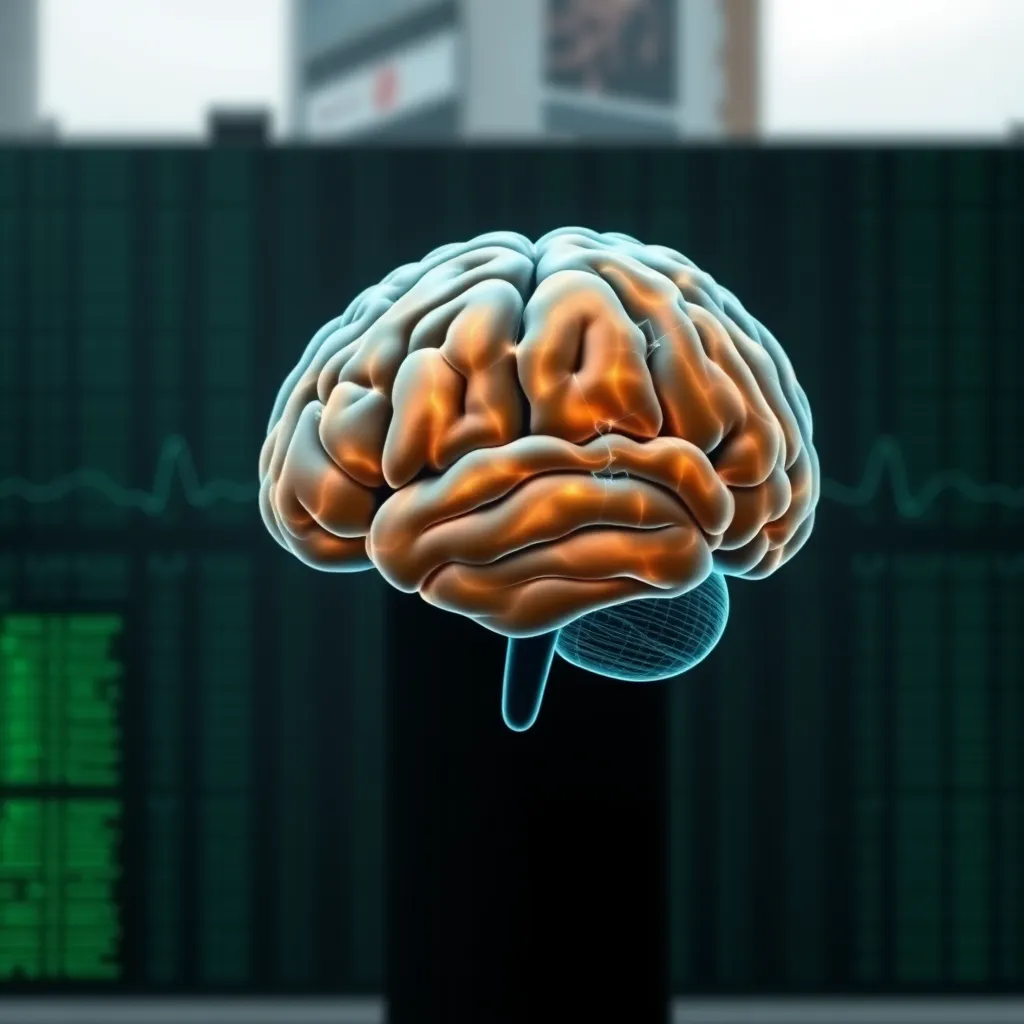
Brain Mapping Revolution: QEEG’s Impact on Diagnosis
Quantitative Electroencephalography (QEEG) is an innovative neuroimaging technique that significantly advances our understanding and diagnosis of various neurological and psychological conditions. It operates by measuring the electrical activity of the brain through electrodes placed on the scalp, collecting raw EEG data. This data is then processed by sophisticated software, which analyzes brainwave patterns – including delta, theta, alpha, beta, and gamma frequencies – and compares them against normative databases of healthy brain function. This comparison generates a detailed “brain map” or topographical representation, highlighting specific areas of dysfunction, imbalances, or deviations in neural activity.
The primary benefit of QEEG lies in its capacity for precision diagnosis and the development of highly personalized treatment plans. Unlike traditional diagnostic methods that often rely on subjective symptom reporting, QEEG provides objective, measurable insights into brain function. For instance, in patients with attention disorders, QEEG can precisely differentiate whether symptoms stem from underactivity within critical attention networks or from excessive activity in emotional regulation centers. This distinction is crucial for tailoring effective interventions. Similarly, for individuals suffering from concussions or traumatic brain injuries (TBI), QEEG serves as an invaluable tool for tracking neural recovery. By measuring improvements in brainwave coherence, balance, and overall functional connectivity, clinicians can objectively monitor rehabilitation progress and adjust therapies accordingly.
Beyond these specific examples, QEEG offers significant advantages in diagnosing and managing conditions such as anxiety, depression, and Post-Traumatic Stress Disorder (PTSD), by identifying unique brainwave patterns associated with these disorders. Its non-invasive nature is another key benefit, as the procedure involves no radiation or discomfort, making it safe for repeated use. The article emphasizes that QEEG is a virtually risk-free procedure. By providing a deeper, data-driven understanding of brain dynamics, QEEG is fundamentally transforming how modern neuroscience approaches diagnosis, enabling more targeted and effective interventions that move beyond symptom management to address the underlying neural dysregulation.