Boosting Well-being: How Public Art Reduces Stress and Anxiety
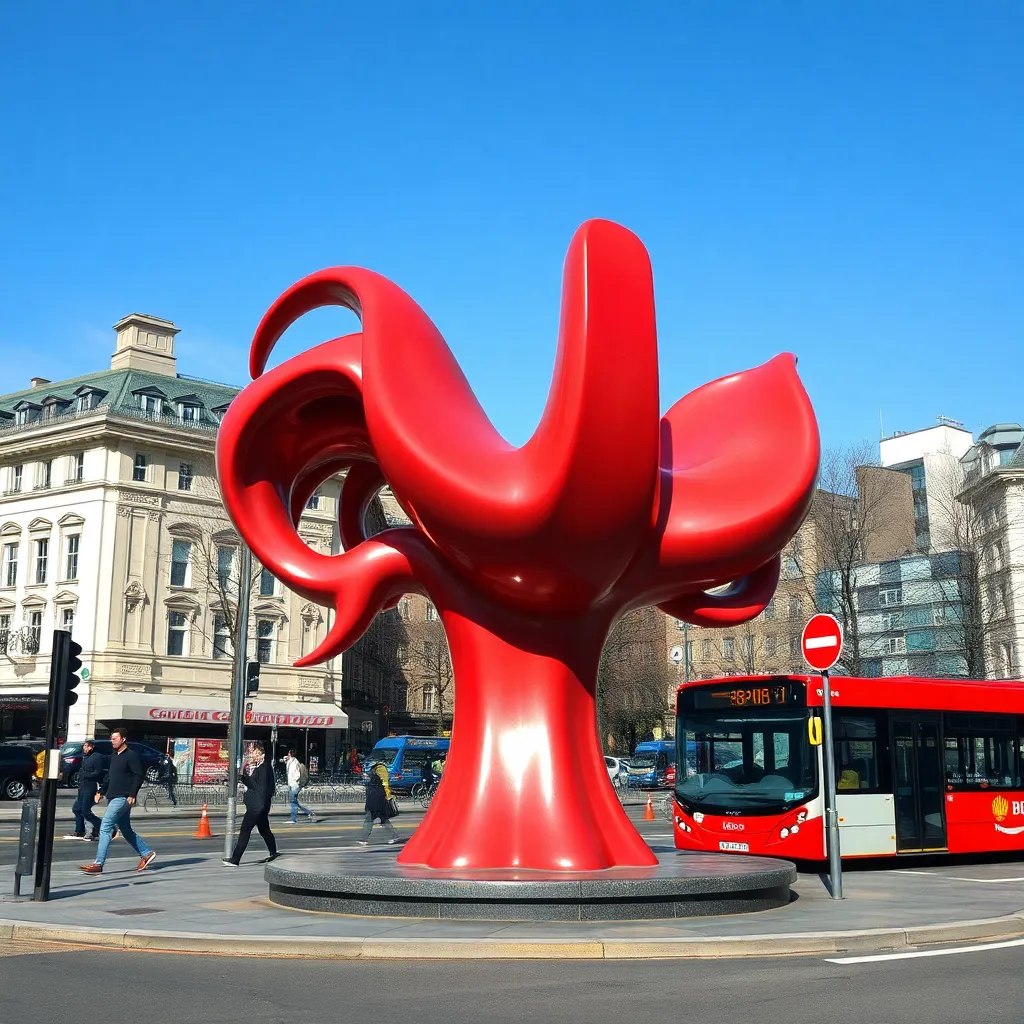
Research highlights the profound positive influence of artistic interventions within public urban environments on mental well-being. Specifically, a study focusing on art integrated into cityscapes revealed its capacity to significantly mitigate feelings of anxiety, stress, and overall negative mood among individuals. This positive impact, particularly attributed to visual art, extends beyond mere aesthetic appreciation, contributing directly to an improved psychological state.
The core definition of these interventions involves the strategic placement and engagement with art forms in accessible public areas, aiming to enhance the quality of life for urban dwellers. The benefits are clear: by creating visually stimulating and emotionally resonant experiences, art serves as a therapeutic tool. It offers a momentary escape from daily pressures, fosters a sense of beauty and wonder, and potentially encourages mindfulness, all of which contribute to a reduction in psychological distress. This mental uplift can indirectly support better brain health and potentially foster a more creative mindset by alleviating the cognitive load associated with stress.
The efficacy of art in promoting well-being has been consistently demonstrated across a diverse array of settings. Beyond public urban spaces, where murals, sculptures, and temporary installations transform daily routines, positive effects have been observed in controlled environments like museums, which curate immersive artistic experiences. Furthermore, art’s therapeutic power extends into healthcare settings, with studies in hospitals showing benefits for patients’ recovery and mood. Even in online environments, digital art and virtual exhibitions have been found to positively impact users’ emotional states, underscoring the versatility of art as a well-being enhancer.
Regarding potential risks, the provided research snippet does not detail any negative consequences or risks associated with artistic interventions in public spaces. The focus is entirely on the demonstrated benefits, suggesting that such initiatives are largely considered positive contributions to public health and urban design. The consistent findings across various contexts affirm art’s role as a valuable, non-pharmacological approach to improving mental health and fostering a more positive community atmosphere, making urban environments more livable and engaging for everyone.
(Source: https://medicalresearch.com/why-your-morning-commute-impacts-brain-health-and-creativity/)